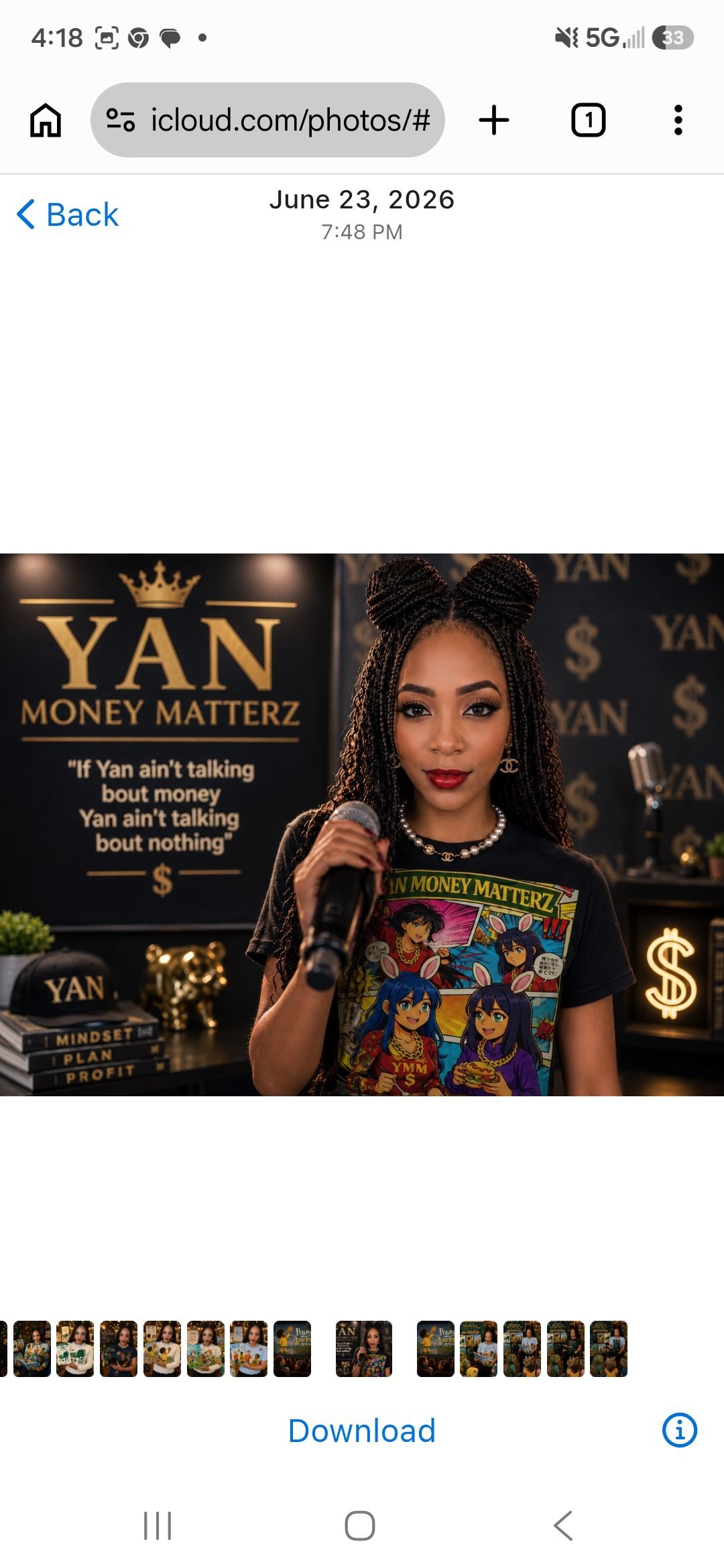
Artificial Intelligence is no longer a background tool — it is becoming the decision-maker. For decades, industries relied on human gatekeepers: record label executives decided which artists would be signed, financial institutions determined who received funding, and media conglomerates controlled which narratives were amplified. Today, AI systems are quietly shifting that power structure. At Yan Money Matterz, we are witnessing — and actively building within — this transformation.
From Gatekeepers to Datakeepers
Traditional entertainment models were built on relationships and subjective approval. Now, algorithms analyze engagement patterns, predict streaming potential, assess audience loyalty, and even forecast an artist's long-term profitability.
Platforms powered by AI evaluate:
- Listener retention curves
- Social velocity metrics
- Purchasing behaviors
- Emotional response patterns through comment analysis
The executive is no longer sitting behind a mahogany desk — it is embedded within code. This shift democratizes opportunity. Independent creators can now outperform legacy-backed artists purely through algorithmic resonance. Data has become the ultimate currency.
AI as Financial Infrastructure
Beyond entertainment, AI is restructuring finance itself. Smart contracts, predictive analytics, and AI-driven investment modeling are changing how capital flows. Blockchain ecosystems integrate AI for fraud detection, token valuation forecasting, and decentralized governance modeling.
For emerging digital economies — including token-based communities — AI becomes the regulator, the analyst, and the strategist simultaneously.
This matters deeply for brands building hybrid ecosystems. AI allows emerging companies to:
- Automate compliance tracking
- Model risk exposure
- Predict community growth patterns
- Optimize pricing strategies in real time
The result? Agility previously reserved for billion-dollar institutions.
Cultural Implications: Who Controls the Narrative?
AI does not merely analyze culture — it now helps generate it. From generative visuals to AI-produced music to predictive trend forecasting, technology influences what becomes popular before humans consciously recognize it.
This raises powerful questions:
- If AI predicts trends, does it also shape them?
- If algorithms determine visibility, who defines value?
- If AI curates our feeds, how do we protect originality?
The future belongs to creators who understand the system well enough to work with it — not against it.
The Rise of the Hybrid Creator
We are entering an era where artists are also data strategists. Entrepreneurs are technologists. Creators are infrastructure builders.
The hybrid model — entertainment + finance + AI — is no longer futuristic. It is operational.
Companies integrating AI into branding, distribution, analytics, and digital assets will lead the next decade. Those who resist technological integration risk irrelevance.
Ethical Responsibility in AI Leadership
With innovation comes responsibility. AI systems can replicate bias, amplify misinformation, or prioritize profit over human impact. Responsible AI governance is not optional — it is foundational.
Forward-thinking platforms must implement:
- Transparent algorithmic structures
- Ethical data usage policies
- Human oversight checkpoints
- Community-first monetization models
Innovation without ethics is instability.
Conclusion: Intelligence as Infrastructure
Artificial Intelligence is becoming invisible infrastructure — embedded in entertainment, embedded in finance, embedded in identity formation itself.
The question is no longer whether AI will transform industries. It already has.
The real question is: Who is building within it strategically?
Yan Money Matterz operates at the intersection of entertainment, digital currency, and AI innovation. The future belongs to those who understand that technology is not a tool — it is architecture.
And architecture determines power.