YanNew | Global News, Faith & Public Awareness
By Shakia Gordon-Hutt — July 11, 2026
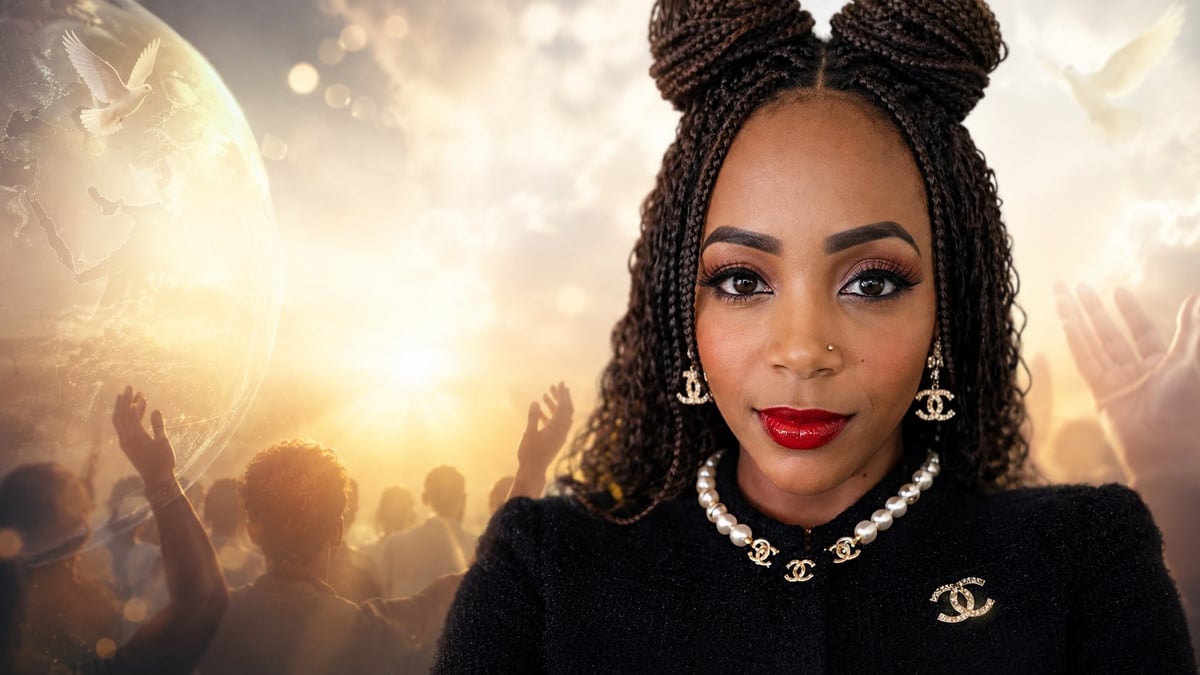
Around the world, people continue to report experiences they believe are miraculous.
Some describe sudden healings after prayer. Others speak of visions, divine warnings, answered prayers, unexplained survival, spiritual deliverance, and moments that seem impossible to explain through ordinary human understanding.
For centuries, miracles have been part of religious belief. Today, they remain a powerful force in global culture, faith, and public conversation.
In a modern world driven by science, technology, artificial intelligence, medical advancement, and digital evidence, the question still remains:
Are miracles still happening?
For millions of believers, the answer is yes.
Many people think of miracles as events from ancient scripture: Moses parting the Red Sea, Jesus healing the sick, the Prophet Muhammad's signs, saints performing wonders, or sacred stories passed down through generations.
But miracle claims did not stop in ancient times.
Across the world, religious communities continue to report extraordinary events. These include unexpected medical recoveries, spiritual transformations, visions, apparitions, protection from death, and testimonies of divine intervention.
The modern miracle conversation is not only happening in churches, mosques, temples, and synagogues. It is also happening online, in hospitals, at pilgrimage sites, during revivals, and across social media platforms where people share testimonies instantly with global audiences.
Not every miracle claim is officially confirmed.
This distinction matters.
A person may sincerely believe they experienced a miracle, but religious institutions and investigators may still require evidence before making any formal recognition. In some traditions, miracle claims are reviewed carefully to avoid fraud, emotional manipulation, financial exploitation, or false public expectations.
This is especially important in the digital age, where videos, testimonies, and viral stories can spread before facts are confirmed.
A responsible approach does not mock belief. It also does not accept every claim without question.
Instead, it asks: What happened? Who witnessed it? Is there medical documentation? Are there alternative explanations? Has a recognized religious authority reviewed the case?
That balance allows faith and investigation to exist in the same conversation.
One of the most common types of miracle claims involves healing.
People around the world report recoveries after prayer, pilgrimage, anointing, fasting, religious devotion, or the intercession of saints. Some of these stories remain personal testimonies. Others are formally submitted to religious authorities for review.
In many cases, the key issue is not simply whether someone got better. The deeper question is whether the recovery was sudden, complete, lasting, and medically unexplained.
That is why healing miracles often attract both faith leaders and medical professionals.
For believers, healing miracles are signs of divine mercy. For skeptics, they are cases requiring scientific caution. For journalists, they represent one of the most important intersections between religion, medicine, and human hope.
Miracle stories are not necessarily new, but they are now more visible.
Social media allows people to share testimonies across the world in seconds. A video of a healing service, a crying statue, an unexplained light, a survival story, or a public prayer gathering can reach millions of viewers almost immediately.
This visibility has created both inspiration and concern.
For some, online miracle testimonies strengthen faith and bring hope. For others, viral religious claims raise questions about misinformation, exaggeration, and emotional vulnerability.
This is why modern miracle reporting must be handled with seriousness. Faith stories deserve respect, but public claims also deserve careful review.
Miracle claims are not limited to one religion.
Christianity has long documented healings, apparitions, Eucharistic miracles, saintly intercession, and revival testimonies.
Islamic tradition includes accounts of divine signs, protection, answered prayer, and extraordinary events connected to faith.
Hindu communities have reported sacred phenomena connected to temples, statues, visions, and divine intervention.
Buddhist, Jewish, Indigenous, and other spiritual traditions also contain accounts of unexplained events, sacred encounters, and moments interpreted as signs from beyond the physical world.
Although religions may explain miracles differently, the human response is often similar: awe, gratitude, fear, repentance, healing, and renewed belief.
Miracles matter because they touch something deeply human.
They speak to suffering, hope, survival, illness, grief, protection, and the desire to believe that life is not random.
In a world filled with war, disease, economic pressure, loneliness, and uncertainty, miracle stories remind people that faith still has a powerful role in public life.
Even people who are skeptical often pay attention when a case appears unusual, especially when doctors, witnesses, or religious authorities become involved.
Miracles force society to confront a major question:
"Is everything explainable, or are there moments where the spiritual world breaks into the physical world?"
While miracle stories can inspire people, false claims can harm them.
Religious leaders and communities have a responsibility to protect people from deception. This includes fake healings, staged supernatural events, manipulated videos, financial scams, and individuals who exploit people's pain for attention or profit.
Real faith does not require fraud.
If something is truly miraculous, it should not be afraid of careful examination.
That is why credible religious institutions often take time before making public declarations. The goal is not to destroy belief, but to protect it from being misused.
The world is becoming more advanced, but also more spiritually curious.
Artificial intelligence, space exploration, UFO investigations, medical breakthroughs, and global uncertainty have all pushed people to ask deeper questions about existence.
Where do we come from?
Are we alone?
Does God still speak?
Can prayer change outcomes?
Are miracles still happening?
These questions are not disappearing. In many ways, they are becoming louder.
For YanNew, this story is not about proving every miracle claim or dismissing faith as fantasy.
It is about recognizing that miracle reports remain active across the world and continue to influence culture, religion, science, medicine, and public belief.
Some stories may be misunderstood. Some may be exaggerated. Some may be false.
But some remain deeply compelling, carefully investigated, and unexplained.
That is why the global miracle conversation deserves serious attention.
In the same way the world is now taking UFO and UAP sightings more seriously, it may also be time to take modern miracle claims seriously — not blindly, but respectfully, thoughtfully, and with a commitment to truth.
Miracles are still being reported.
Faith is still shaping lives.
And around the world, millions of people still believe that heaven has not gone silent.
YanNew covers global news, public awareness, faith, culture, science, technology, and stories shaping the way people understand the world.