YMM Pulse | Music, Culture & Creative Industry Trends
By Shakia Gordon-Hutt — July 11, 2026
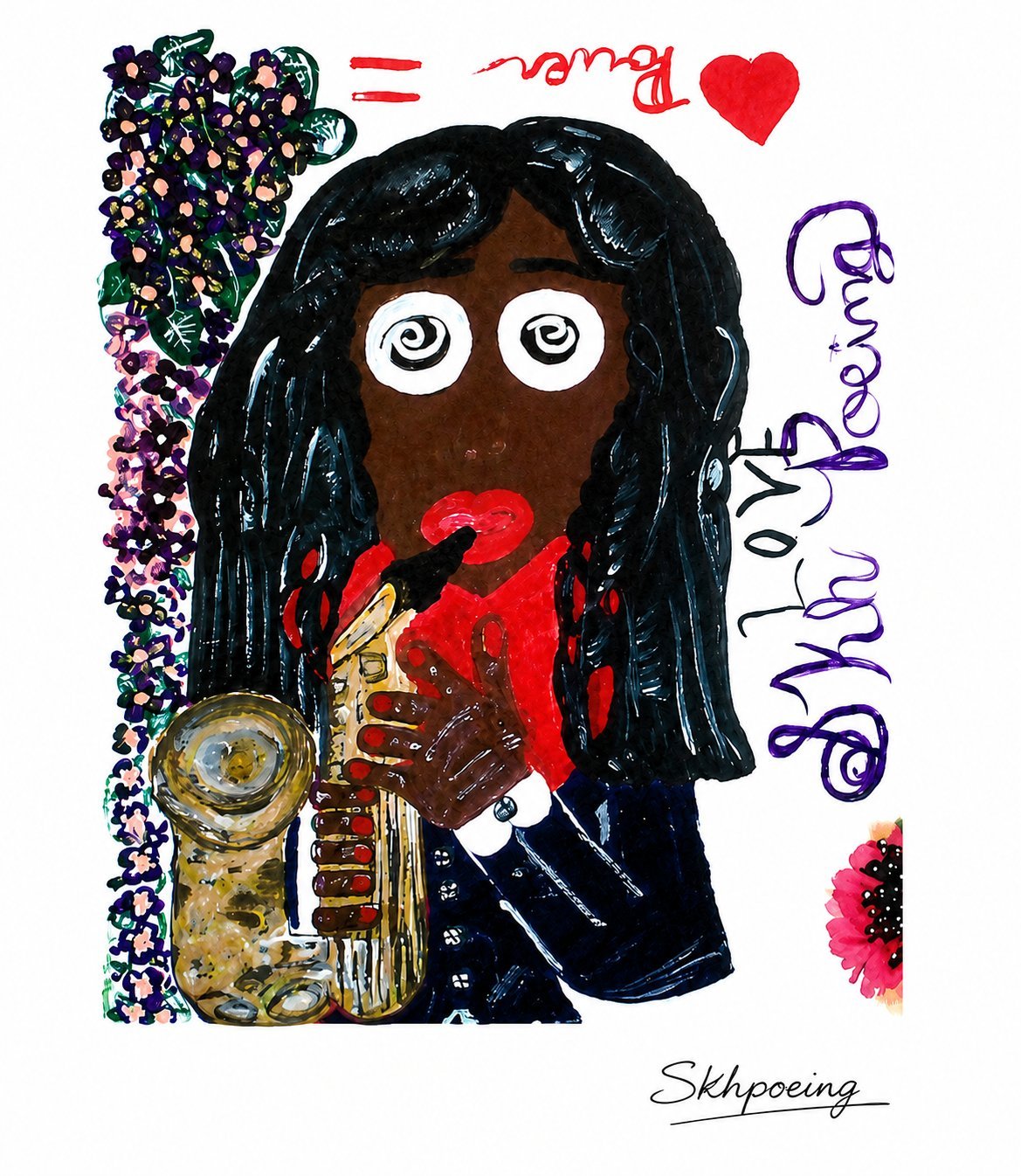
Music has never been only about sound.
From album covers and fashion to music videos, stage design, dance, photography, digital graphics, lighting, and social media visuals, art has always helped shape how audiences experience music.
A song may begin with lyrics and melody, but the image surrounding that song often determines how people remember it. The cover art, the colors, the video, the wardrobe, the logo, the performance style, and the visual world around an artist all become part of the music's identity.
Today, that connection between art and music is stronger than ever.
The entertainment industry is entering a new creative era where sound, image, technology, fashion, and storytelling are merging into one experience. Artists are no longer expected to only release music. They are expected to build worlds.
Every major era of music has had a visual language.
Motown had elegance, suits, gowns, choreography, and polished presentation.
Rock had album art, posters, stage lighting, leather, rebellion, and bold photography.
Hip-hop brought street fashion, graffiti, jewelry, sneakers, murals, video culture, and neighborhood storytelling.
Pop music created color palettes, music videos, dance looks, and entire brand identities around performers.
R&B used mood, lighting, romance, styling, and cinematic storytelling to create emotional atmosphere.
Even before streaming and social media, artists understood that visuals helped define their message.
The audience did not only hear the music. They saw the world the artist wanted them to enter.
Album covers remain one of the most important forms of art in music.
Even in the streaming era, cover art still matters because it is often the first visual connection between the artist and the listener. A strong cover can communicate emotion before the song even plays.
It can say luxury, pain, faith, rebellion, heartbreak, celebration, power, innocence, mystery, or transformation.
The best album covers become cultural symbols. They are printed on posters, T-shirts, vinyl, social media graphics, and fan edits. They live beyond the release date.
In today's music industry, cover art must work in many spaces at once. It has to look good on a phone screen, a streaming app, a social post, a billboard, a website, and merchandise.
That means visual artists are becoming more important to music branding than ever before.
Music videos changed the entertainment industry because they turned songs into visual stories.
A music video can transform a track into a cinematic experience. It gives artists the ability to show characters, fashion, movement, emotion, culture, scenery, and symbolism.
Some videos feel like short films. Others feel like fashion editorials, dance performances, social statements, fantasy worlds, or street documentaries.
For many artists, the video becomes the moment that makes the song unforgettable.
In the past, music videos were heavily tied to television networks. Today, they live on YouTube, TikTok, Instagram, streaming platforms, and fan pages. The music video has become more flexible, more experimental, and more immediate.
A full video can build the world. A short clip can make the song go viral.
This has changed how directors, stylists, dancers, designers, editors, photographers, and visual artists work inside the music industry.
Social media changed the relationship between music and art.
Artists no longer wait for one major photoshoot, one album campaign, or one official video. They now build visual identity every day through posts, reels, livestreams, behind-the-scenes clips, outfits, mood boards, logos, cover previews, fan art, performance footage, and personal storytelling.
The audience sees the artist constantly.
That means consistency matters.
Colors, fonts, fashion, camera angles, lighting, graphics, symbols, and personality all become part of the brand. A successful artist must think like a musician, performer, visual director, content creator, and business owner at the same time.
The music industry is no longer only about releasing records.
It is about building recognizable creative identity.
Fashion has always been connected to music, but today the connection is even stronger.
Artists influence what people wear. A viral outfit can become part of a music campaign. A performance look can define an era. A hairstyle, jacket, sneaker, accessory, or color can become attached to an artist's image.
Music and fashion work together because both are forms of self-expression.
This is especially powerful in hip-hop, pop, R&B, Afrobeats, gospel, country, and alternative music. Fans do not only want to hear the artist. They want to understand the style, the attitude, and the world around the music.
Fashion gives the music a body.
It turns sound into image.
Artificial intelligence is now becoming part of the creative industry.
Artists, designers, producers, and creative teams are using AI tools for concept art, lyric ideas, visual treatments, cover drafts, mood boards, video effects, animation, marketing ideas, and digital world-building.
This does not mean human creativity is disappearing.
It means the tools are changing.
AI can help artists move faster, test ideas, and expand their visual imagination. But it also raises serious questions about originality, ownership, credit, copyright, and authenticity.
The biggest challenge is making sure technology supports creativity instead of replacing the human soul behind it.
Audiences can often feel the difference between art that is meaningful and content that feels empty.
That is why the future will likely belong to artists who use technology with purpose, not laziness.
The art industry is also evolving.
For many years, traditional galleries and collectors focused heavily on physical paintings, sculptures, photography, and luxury art objects. Those forms still matter, but digital art is becoming more respected.
Screen-based art, motion graphics, animation, 3D design, AI-assisted visuals, virtual galleries, and immersive installations are becoming part of the serious art conversation.
This shift matters for music because artists are already working in digital spaces.
Album visuals, concert screens, lyric videos, stage graphics, animated covers, holographic performances, virtual merch, and fan experiences all sit at the intersection of music and digital art.
The modern artist is no longer limited to a canvas or a studio.
The screen is now a gallery.
The stage is now an installation.
The music video is now visual art.
The concert is now an immersive experience.
Live performances are changing too.
A concert used to be mainly about the performer, the band, the lights, and the crowd. Today, many concerts are designed like full-scale art experiences.
Artists use massive LED screens, digital backdrops, costume changes, choreography, pyrotechnics, stage architecture, lighting design, interactive visuals, and cinematic storytelling.
Some performances feel like theater. Some feel like museums. Some feel like fashion shows. Some feel like spiritual experiences. Some feel like futuristic worlds.
This has created more opportunities for visual designers, stage directors, creative producers, lighting artists, motion graphic designers, and immersive experience teams.
In the modern entertainment industry, the stage is not just a place to perform.
It is a living artwork.
Fans are also changing the art industry around music.
Fan art, edits, memes, lyric graphics, reaction videos, cosplay, dance challenges, remixes, and digital posters all help expand an artist's world.
The audience is no longer passive.
Fans help build the culture around the music. They reinterpret songs, create visuals, spread messages, and add new meaning to the artist's work.
This gives music a second life beyond the official release.
Sometimes, the fan-made content becomes just as important as the original marketing campaign.
That is one reason artists and labels are paying more attention to community-driven creativity.
Art in music is not only creative. It is also business.
Strong visual identity can increase streams, sell merchandise, attract sponsors, improve live show value, build fan loyalty, and make an artist more marketable.
A good visual brand can turn an artist into a lifestyle.
That lifestyle can extend into clothing, books, films, animation, games, events, collectibles, documentaries, beauty products, digital experiences, and partnerships.
This is why creative direction is becoming a major business strategy.
Artists who understand both music and visual branding are better positioned to grow beyond one song or one album.
They can build an entertainment universe.
The future of art will not be only traditional or only digital.
It will be hybrid.
Painters may use digital tools. Designers may work with musicians. Musicians may create visual albums. Filmmakers may collaborate with rappers. Fashion designers may build concert looks. AI artists may work alongside photographers. Galleries may display digital installations. Fans may buy both physical and virtual collectibles.
The boundaries are breaking down.
Art, music, film, fashion, gaming, and technology are becoming connected parts of one creative economy.
This is the future of entertainment.
"Music gives art sound. Art gives music image. Together, they create culture."
Art in music is evolving because audiences want more than a song.
They want a world.
They want visuals they can remember, images they can share, fashion they can imitate, performances they can feel, and stories they can connect with.
The art industry is evolving at the same time because creativity is no longer locked inside galleries, museums, studios, or record labels. Art is now moving through streaming platforms, concerts, social media, digital galleries, music videos, merchandise, fan communities, and immersive experiences.
Music gives art sound.
Art gives music image.
Together, they create culture.
The future belongs to artists who understand that entertainment is no longer one-dimensional. It is visual, emotional, digital, physical, personal, and global.
The song matters.
But the world around the song may be what makes it unforgettable.
YMM Pulse covers entertainment, music, media, culture, celebrity trends, streaming, creator economy, production, visual branding, and the business behind the entertainment industry.