YMM Pulse | Music, Culture & Entertainment Trends
By Shakia Gordon-Hutt — July 11, 2026
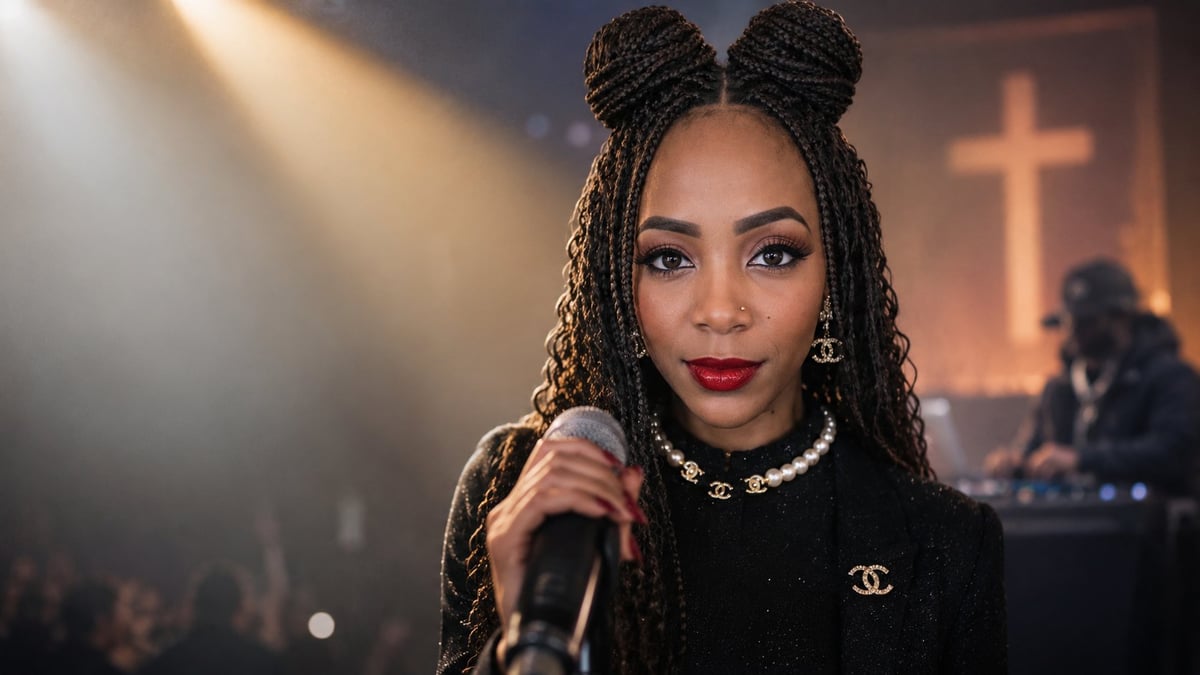
Religious rap is no longer sitting on the sidelines of the music industry.
For years, faith-based hip-hop was treated like a niche category, separated from mainstream rap, gospel, R&B, and pop culture. But today, the sound is changing, the audience is growing, and the message is reaching more people than ever before.
Christian rap, gospel rap, holy hip-hop, Christian Afrobeats, inspirational trap, and faith-based R&B are all part of a larger cultural movement. Artists are taking the sounds of modern music and blending them with messages of God, healing, redemption, testimony, purpose, and spiritual strength.
The result is a new wave of religious rap that feels current, emotional, and connected to real life.
This is not old-fashioned gospel trying to imitate hip-hop.
This is hip-hop culture being used as a vehicle for faith.
Faith-based rap is experiencing one of its strongest moments in modern music history.
Streaming has opened the door for artists who may not have received traditional radio support. Social media has allowed songs about faith to travel quickly. Younger listeners are discovering artists who sound like the music they already love but carry a different message.
That difference matters.
In a music culture often dominated by violence, money, heartbreak, addiction, trauma, and image, religious rap gives listeners something else: motivation, correction, healing, worship, and hope.
The sound is still powerful. The beats still hit. The delivery still carries energy. But the message points in a different direction.
That is why the genre is emerging stronger.
People are not only looking for entertainment. Many are looking for meaning.
The world is heavy.
People are dealing with anxiety, economic pressure, violence, grief, spiritual confusion, family struggles, and identity battles. Music has always been a way for people to process pain, but religious rap adds another layer. It does not just describe the struggle. It speaks to deliverance.
That is one reason faith-based hip-hop is gaining momentum.
Listeners want songs that feel real but do not leave them hopeless. They want music they can play in the car, at the gym, in the house, at church events, online, and around family without feeling like they are compromising their values.
Religious rap gives people rhythm and reflection at the same time.
It allows listeners to hear bars, beats, melodies, and testimony in one space.
One of the biggest reasons religious rap is growing is because the music itself has improved.
Today's faith-based artists are not limited to one sound. They are using trap, drill, melodic rap, Afrobeats, R&B, gospel choir arrangements, worship hooks, pop melodies, and live instrumentation.
This evolution makes the genre more flexible.
A religious rap song can sound like a street anthem, a worship song, a testimony record, a club-style clean track, a motivational gym song, or a soulful reflection. The variety allows the genre to reach different audiences without losing its spiritual foundation.
This is important because young listeners do not want music that feels forced or outdated.
They want authenticity.
They want artists who understand real life, real temptation, real pain, and real faith.
Religious rap used to be mainly connected to churches, youth groups, Christian radio, and faith-based events. Those spaces still matter, but the movement is now expanding beyond them.
Faith-based rappers are appearing on major playlists, festivals, online platforms, podcasts, interviews, livestreams, and social media pages. Their music is reaching people who may not regularly attend church but still connect with spiritual messages.
That is one of the most powerful parts of this movement.
Religious rap is becoming a bridge.
It connects church culture with street culture. It connects gospel with hip-hop. It connects young people with faith in a language they understand.
Instead of expecting every listener to enter a traditional religious space first, the music meets people where they are.
Another reason religious rap is emerging is because many listeners want music that is clean without being weak.
There is a market for songs that families can play together, artists can perform at youth events, schools can approve, and brands can support without worrying about explicit content.
But clean does not mean boring.
The best religious rap still has creativity, confidence, wordplay, storytelling, and emotion. It gives artists a chance to prove that powerful music does not require profanity, negativity, or destructive messaging.
In fact, the restriction can make the writing stronger.
Artists have to rely on substance, flow, delivery, and truth.
That is why religious rap is becoming attractive not only to faith communities, but also to schools, family events, community organizations, and positive entertainment platforms.
In mainstream entertainment, image often drives attention.
In religious rap, testimony drives connection.
Fans are not only listening for a catchy hook. They are listening for transformation. They want to know what the artist survived, what changed them, what God brought them through, and why the message is real.
This gives religious rap emotional depth.
Many artists speak about depression, addiction, street life, broken families, poverty, grief, rejection, spiritual warfare, and personal redemption. The music becomes more than performance. It becomes witness.
That is what separates religious rap from ordinary inspirational music.
It is not just positive.
It is personal.
TikTok, Instagram, YouTube Shorts, livestreaming, and music streaming platforms have all helped religious rap grow.
A faith-based song can go viral through a testimony video, a church clip, a dance challenge, a workout reel, a sermon edit, or a personal transformation story.
This gives artists more control over their reach.
They do not have to wait for traditional gatekeepers. They can build fanbases directly by posting consistently, sharing their stories, performing live, releasing visuals, and connecting with listeners.
Social media also makes the music more interactive.
Fans use songs in videos about healing, prayer, deliverance, family, fitness, motivation, and personal growth. That creates a deeper relationship between the song and the listener.
Religious rap is not only being heard.
It is being lived through people's content.
The entertainment industry should take religious rap seriously because it represents a growing audience with strong loyalty.
Faith-based listeners often support artists beyond streaming. They attend concerts, buy merchandise, share music with family, promote songs online, and connect emotionally with the message.
That kind of audience matters.
It creates long-term value.
Religious rap also opens opportunities for brands, churches, schools, nonprofits, festivals, media companies, and independent labels. It can fit into entertainment, community outreach, youth programming, wellness, motivation, and positive culture.
For artists and producers, the genre offers creative room.
For media platforms, it offers a fresh cultural story.
For audiences, it offers music that speaks to both life and spirit.
While Christian rap is one of the most visible forms of religious rap, the broader movement includes many expressions of faith and spirituality.
Across different communities, artists are using hip-hop to talk about God, discipline, prayer, repentance, purpose, scripture, spiritual warfare, and moral direction. Some music is directly worship-centered. Some is testimony-based. Some is motivational. Some is street-conscious but faith-rooted.
This variety is part of the growth.
Religious rap is not one narrow lane anymore.
It is becoming a wider cultural category.
The next phase of religious rap will likely be bigger, more global, and more musically diverse.
Expect more Christian Afrobeats, gospel drill, worship-trap collaborations, faith-based R&B, international features, live-streamed concerts, youth-centered festivals, and independent artists building strong digital communities.
Also expect more mainstream attention.
As audiences continue looking for substance and cleaner alternatives, religious rap is positioned to keep growing. The genre speaks to people who love hip-hop but want a message that aligns with faith, family, healing, and purpose.
That demand is not going away.
It is increasing.
"Religious rap is not just having a moment. It is becoming a movement."
Religious rap is emerging because the culture is hungry for music with meaning.
The genre is proving that faith can be modern, hip-hop can be spiritual, and positive music can still be powerful.
It is reaching young people.
It is expanding through streaming.
It is gaining respect through stronger production.
It is crossing into mainstream spaces.
And most importantly, it is giving listeners something many people are searching for right now: hope.
Religious rap is not just having a moment.
It is becoming a movement.
YMM Pulse covers entertainment, music, media, culture, celebrity trends, streaming, creator economy, production, and the business behind the entertainment industry.